
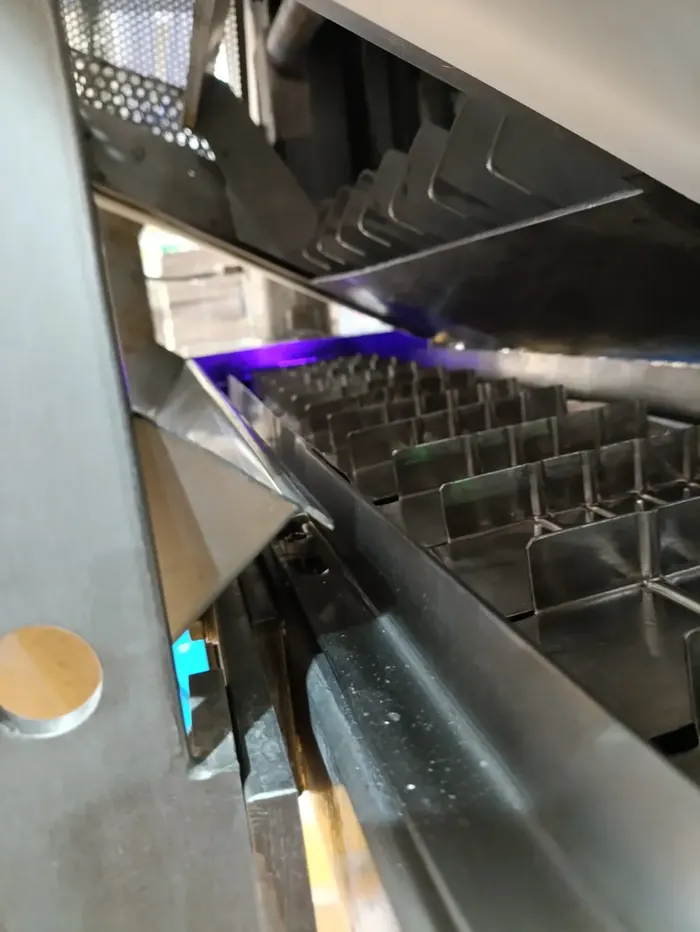
Ultraviolet-C light · UV-C

UV-C light for food: reduce moulds and bacteria and extend shelf life, chemical-free

Microbiological results out of specification? Mould problems? A rejected batch? UV-Life helps food businesses in India reduce microbiological risk, extend shelf life and cut complaints with UV-C ultraviolet disinfection.

Out-of-spec results Moulds and fungi Rejected batches Losses on the shelf
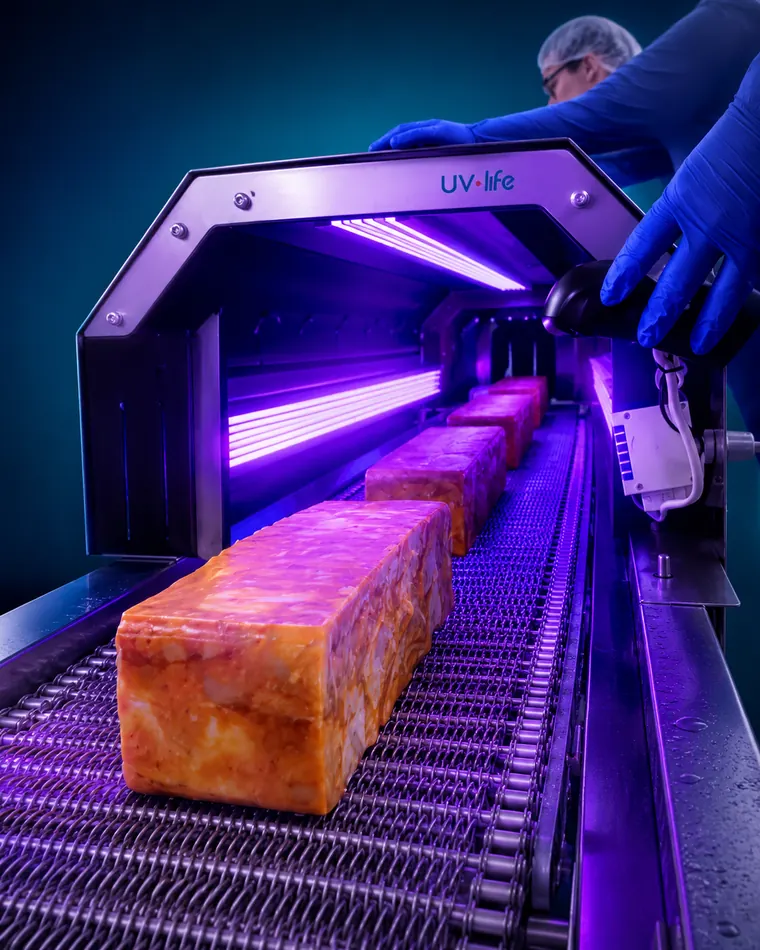
UV-Life UV-C ultraviolet light tunnel disinfecting cold cuts and processed meats on a conveyor belt in a food plant in Chile
Up to 99% reduction
of viruses, bacteria and moulds
No chemicals or residues
No change to taste or colour
Ozone-free
The science behind it

How does UV-C light disinfect food?

Ultraviolet-C radiation is used across many sectors of the food industry. Exposing food, packaging and production areas to UV-C light reduces the load of viruses, bacteria and moulds on the surface, through the effect the radiation has on the DNA of microorganisms. Germicidal efficacy tests under controlled laboratory conditions have measured reductions of up to 99%. It does not affect the organoleptic properties of the product and reduces the use of chemicals.

The result on each production line depends on the UV-C dose applied, the distance and the exposure time on each matrix. UV-C acts only on the surface: it does not penetrate inside the product and does not replace the cold chain.

1

Germicidal wavelength

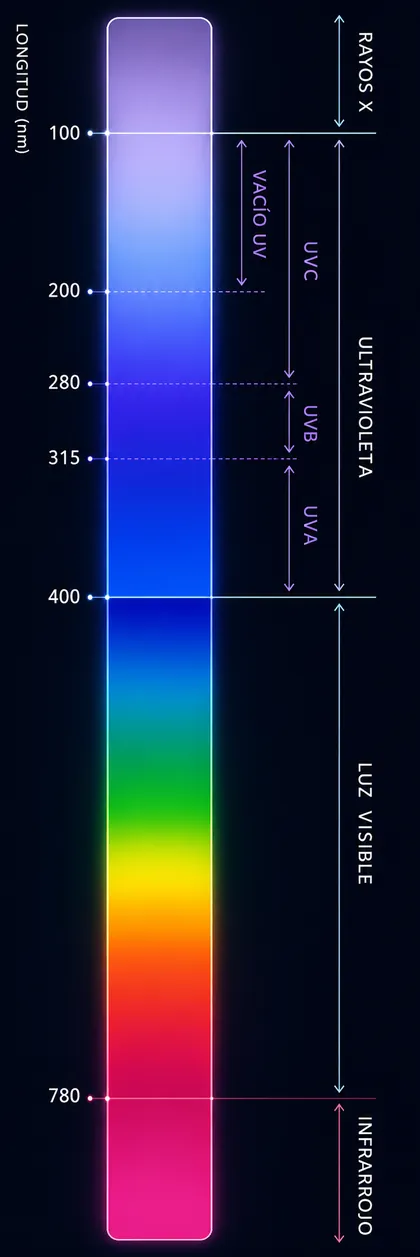
Germicidal power lies between 200 and 280 nm. UV-Life works at 260–280 nm, the optimum disinfection range.

2

Damage to the microorganism's DNA or RNA

UV-C light damages the DNA or RNA of bacteria, moulds and viruses and prevents them from replicating.

3

Correct dose = result

The right UV-C power, at the right distance and for the necessary time, determines how much load is reduced. Each product needs its own validated dose.

Electromagnetic spectrum showing UV-C ultraviolet light between 100 and 280 nanometres within the germicidal range, alongside UVB, UVA and visible light
Evidence

Verifiable microbiological studies

Each study is labelled by the type of matrix analysed: food, equipment surface, process water or air. The results are in the table, and the full report opens when you click each card.

Laboratory results with and without UV-C light
Study and matrixParameter measuredWith UV-CWithout UV-CLaboratory / report
Coliforms in chard
Food (fresh chard)
Total coliforms 38 CFU/g 62 CFU/g Laboratorio Italiano · Mendoza, Argentina · Rie La Huerta
Coliforms on process equipment (ice-cream mould)
Equipment surface
Coliforms No colonies Over 100 CFU Fruna report · Polo 12 line
Aerobic mesophilic count in process water
Process water
Aerobic mesophilic count Below 1 CFU/ml 20–35 CFU/ml Certificate of analysis · Loncoche (Quillayes/Surlat)
Viral inactivation
Air and surface
H1N1 virus inactivation Over 99.99% — SGS · Test Report GZF20-014499
Microbiological profile
Dehydrated food
Moulds / yeasts / pathogens Moulds below 10 CFU/g — Analab Chile S.A. · ISO 17025

The values come from the laboratory reports linked in the cards in this section. Results with UV-C depend on the dose applied, the distance and the exposure time on each matrix, so they cannot be extrapolated without validation on each line.

Comparisons with and without UV-C
Safety and germicidal efficacy validation
Comparison

UV-C LED vs mercury lamps and chemical disinfectants

All three options reduce microbial load, but not in the same way or with the same risks on a food line.

UV-LifeUV-C LED 260–280 nm Mercury
tube lamp
Chemical
disinfectant
Mercury on the food lineNoneContains mercuryNot applicable
Risk of broken glass on the productNo, solid bodyYes, glass tubeNot applicable
Residue on foodNoneNoneRequires rinsing
Ozone generationNoneDepends on tube typeNot applicable
Effect on taste, colour and aromaNo changeNo changeMay alter it
Stated service life10,000 hShorter, needs replacementRecurring consumption
Action time on the lineSeconds, no stoppageSeconds, no stoppageContact and rinsing
ReachSurface, line of sightSurface, line of sightSurface, depends on contact

Comparison of technical characteristics. The mercury tube and chemical disinfectant columns describe general attributes of each technology, not specific third-party products.

How do you integrate UV-C into your HACCP plan and hygiene prerequisite programmes?

UV-C ultraviolet light works as a complementary control measure that reduces microbial load at points in the process, without chemicals and without interrupting the production line. It fits into the cleaning and sanitation programme and the HACCP-based food safety management system expected under the Food Safety and Standards Act, 2006 and applicable FSSAI requirements; it does not replace them.

FSS ActFood Safety and
Standards Act, 2006
HACCPHazard Analysis and
Critical Control Points
Trust

Some of our clients

Coca-Cola Embonor Fruna Sopraval Varsovienne Santa Marta Futurocop Serviform Patagonia Austral Fundo El Peumo Entrelagos Don Pascual Australis Prunesco Quillayes Ariztía Cambaiso Rie La Huerta Baika Lácteos Rafulco Uffing Panadería

See how UV-Life reduces microbial load

Watch in real time how UV-C technology reduces viruses, bacteria and moulds in seconds.

Watch video →
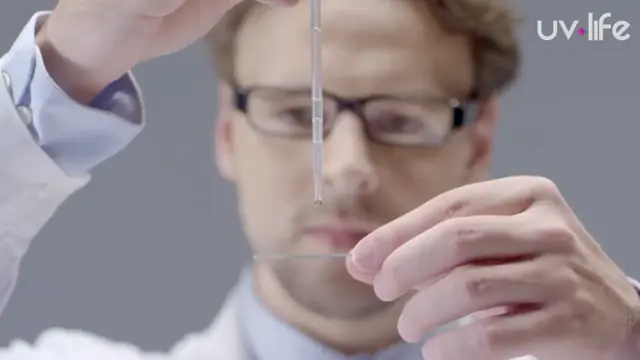
UV-Life video thumbnail: scientist in a laboratory validating the efficacy of UV-C light
In the field

UV-C at work in real plants

UV-Life installations on food, beverage and packaging lines in Chile, Argentina and Mexico.

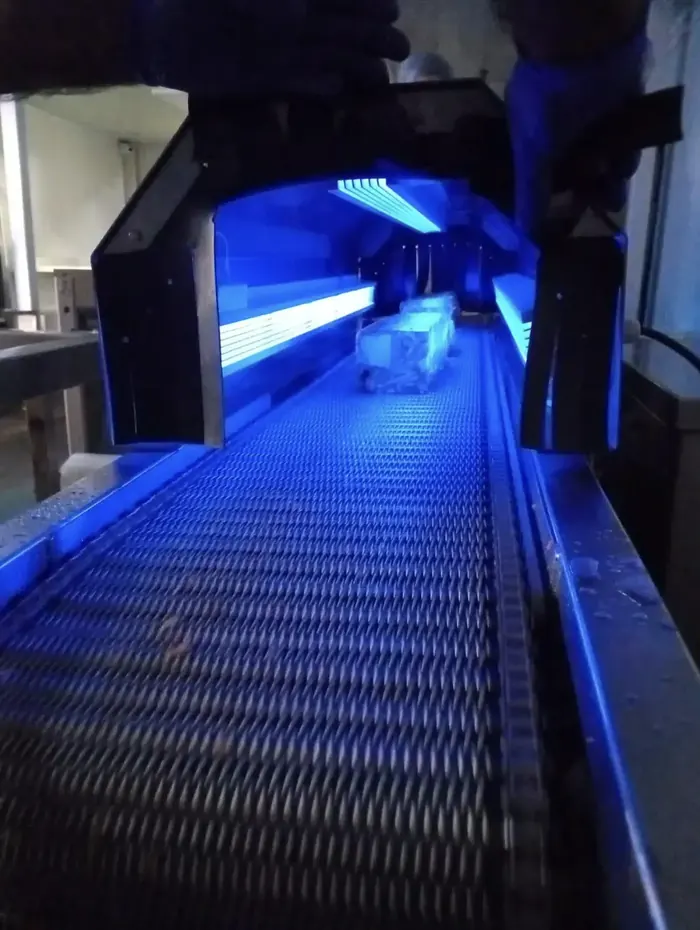
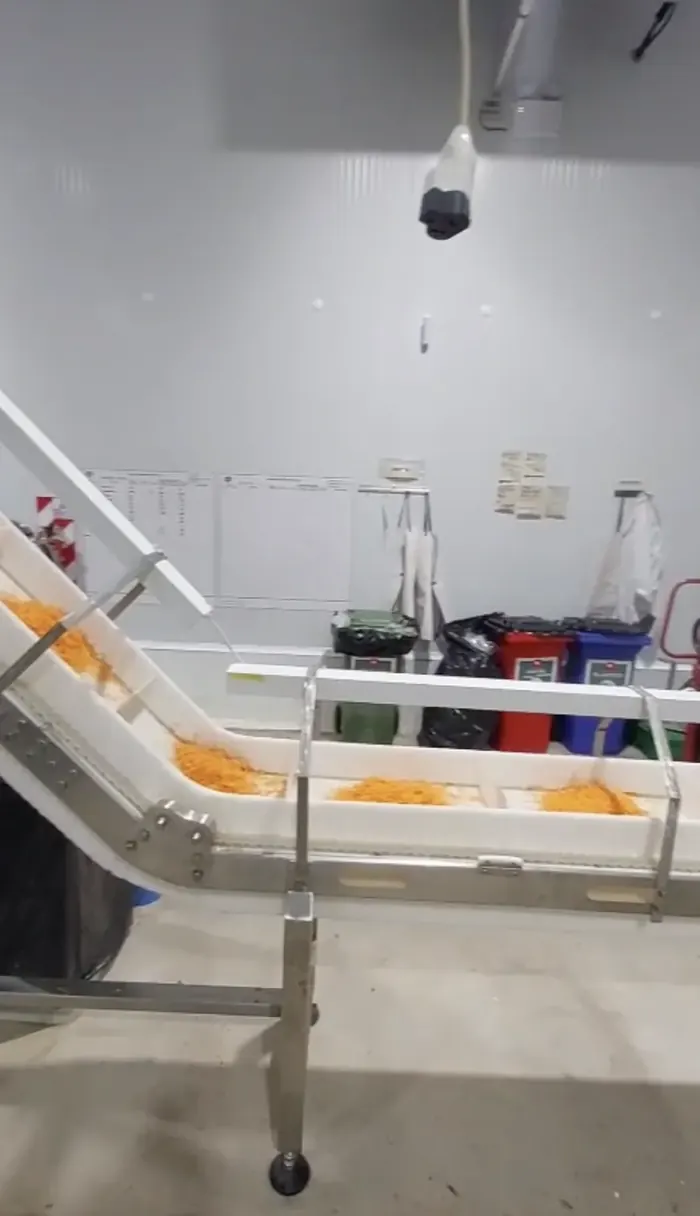
UV-C disinfection tunnel for cold cuts at Don Pascual, Chillán, Chile
Don PascualCold cuts · Chillán, Chile
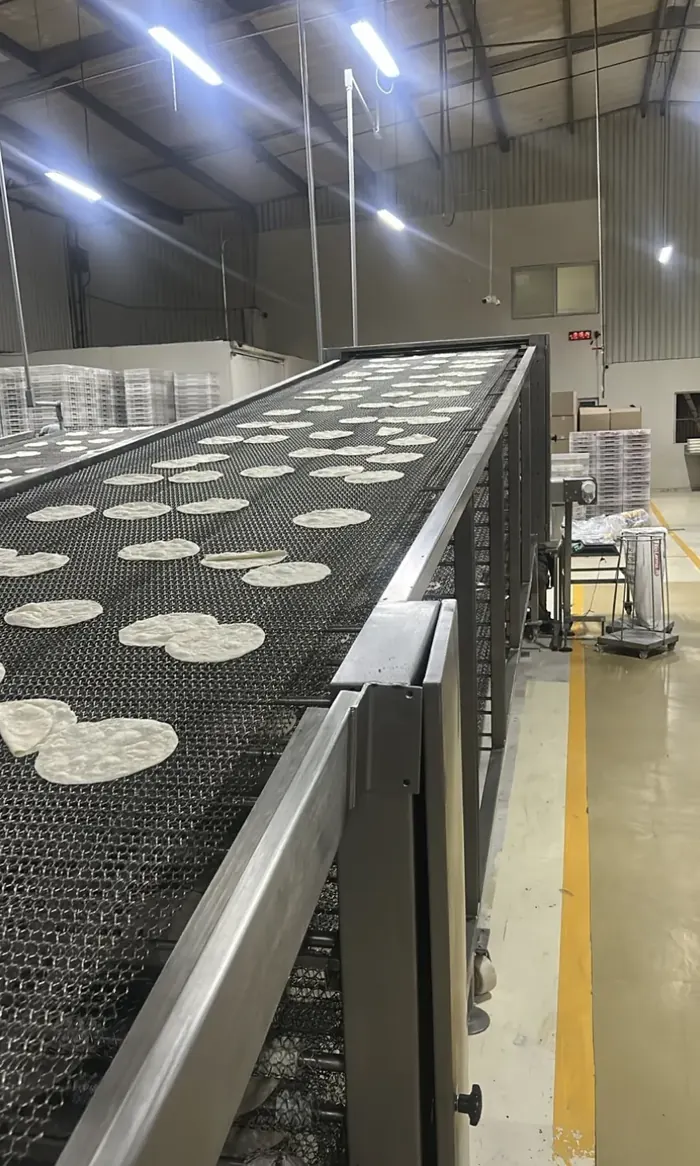
Tortilla line with UV-C disinfection, Gustavo Romo, Jalisco, Mexico
Gustavo RomoTortillas · Jalisco, Mexico
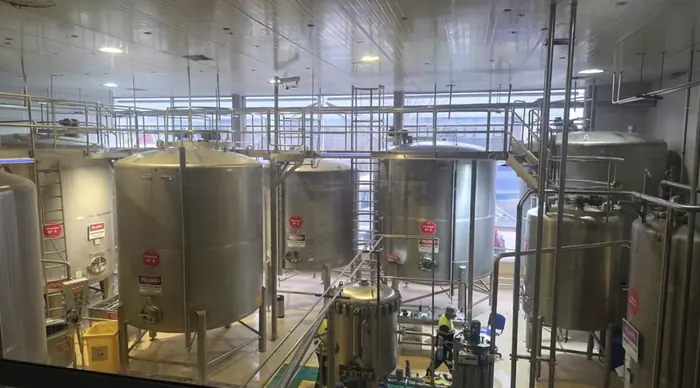
Coca-Cola syrup room with UV-C disinfection, Chile
Coca-ColaSyrup room
Rie La Huerta vegetables treated with UV-C, Mendoza, Argentina
Rie La HuertaVegetables · Argentina
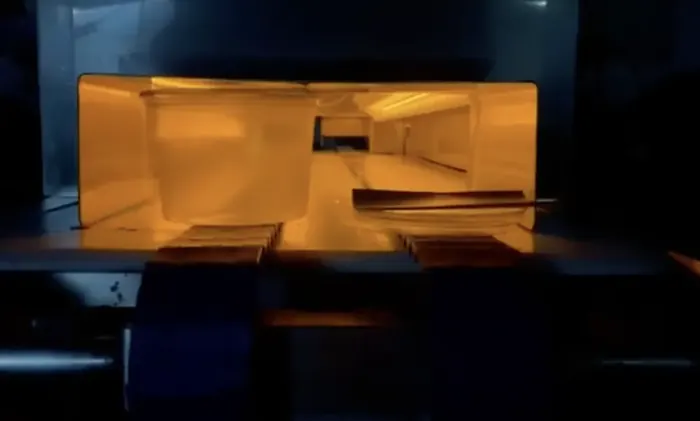
UV-C disinfection of plastic packaging at Serviform, Chile
ServiformPackaging
Ice-cream mould with UV-C lamp at Fruna, Chile
FrunaIce-cream moulds
Success stories

Results measured in the plant

Each case is backed by laboratory analysis. The headlines reflect exactly what the reports show.

Rie La Huerta vegetables

Mendoza, Argentina · Fresh chard
−39%total coliforms with UV-C, keeping the chard within the standard

Reduced the coliform load from 62 to 38 CFU/g, complying with the Argentine Food Code. A lower initial load means more shelf-life margin.

View case →
Don Pascual (processed meats)

Chillán, Chile · Cold cuts tunnel
+shelf lifefor cold cuts, by reducing surface bacterial load

UV-C disinfection tunnel installed on a cold cuts line to lower the surface bacterial load and extend shelf life, without chemicals or stopping the process.

View case →

Gustavo Romo tortillas

Jalisco, Mexico · Corn tortillas
+shelf lifeon the shelf, by reducing moulds

UV-C applied on the tortilla line to reduce the appearance of mould and extend shelf life, cutting product losses.

View case →
Equipment for food

UV-C light for your production line

UV-C equipment for disinfecting food, packaging and process areas. Datasheets and manuals available on request: request them on WhatsApp or by email at sales@uv-life.com.

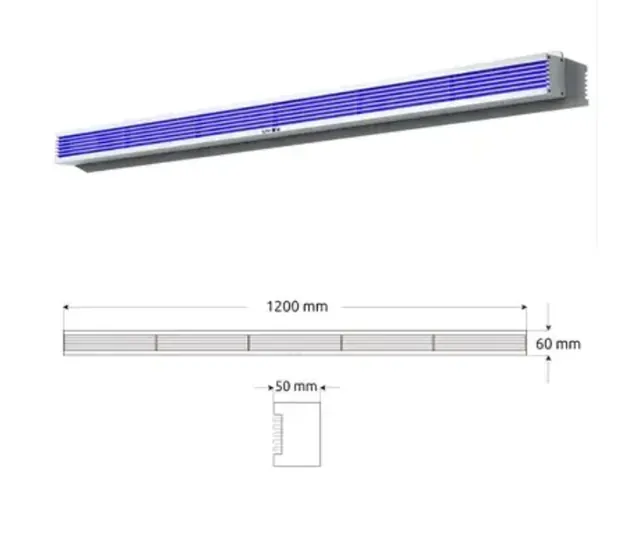
UV-Life X50 UV-C disinfection bar, 1200 mm, product view and technical diagram

UV-C X50 Bar

High-power UV-C bar for installation over conveyor belts on lines for cold cuts, processed meats, poultry and other foods. It is the unit used in the disinfection tunnels.

US$690 excl. GST & customs duty
  • UV-C 260–280 nm · Power 480 mW UV
  • Mercury-free
  • Ozone-free · No residues
  • Service life 10,000 h
  • Dimensions 1200×60×50 mm
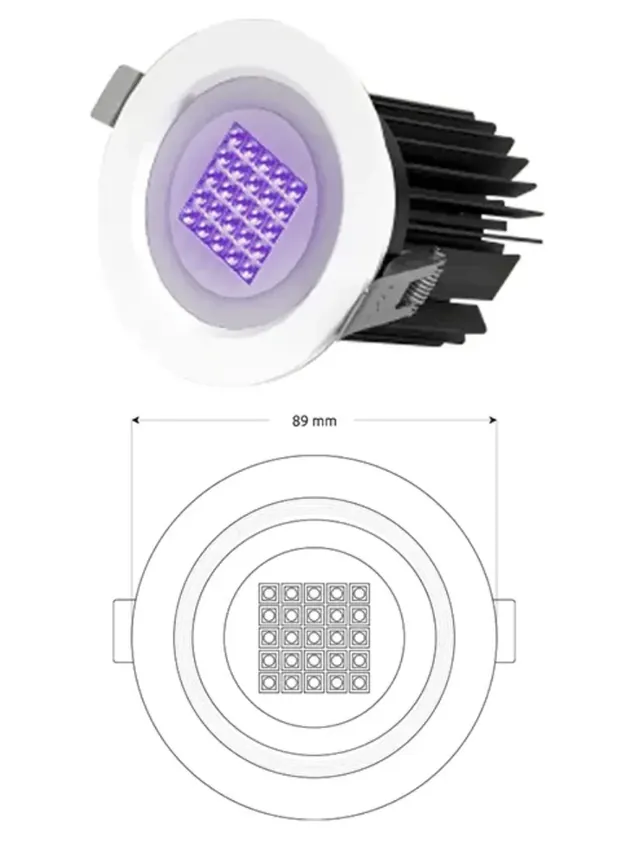
UV-Life X36 recessed UV-C light, 89 mm diameter, product view and technical diagram

X36 UV-C LED Light

Recessed UV-C light for targeted disinfection of surfaces and process areas in food plants.

US$279 excl. GST & customs duty
  • UV-C 260–285 nm · Power 400 mW UV
  • Mercury-free
  • Ozone-free · No residues
  • Service life 10,000 h
  • Diameter Ø89 mm

Germicidal efficacy tests

SGS (viral inactivation, Test Report GZF20-014499) and Analab Chile S.A. (ISO 17025) validate microbiological performance under controlled laboratory conditions. The reports are in the studies section and on our scientific evidence page.

Product certifications

The units hold CE and FCC product certifications, as well as the corresponding certifications from MINSAL and ISP in Chile. These are product and safety certifications, separate from the microbiological efficacy tests described on the left.

Frequently asked questions about UV-C for food

It strongly reduces moulds and their spores in the air and on surfaces, which is where most recontamination comes from. Mould already visible on walls or equipment must first be removed mechanically; UV-C helps stop it coming back by keeping the airborne spore load low. The most common uses are bakery products, paneer and other fresh dairy, spice processing and packing rooms: lowering the spore load just before packing to delay the appearance of mould.

No. Many germicidal lamps on the market are mercury tubes working at 253.7 nm, and several present ozone generation as an advantage. Ozone is a respiratory irritant and its presence means the area must be ventilated before staff return. UV-Life units are 265 nm LEDs, mercury-free and ozone-free: once switched off, the area is available immediately, with no residues or gases to ventilate.

UV-C disinfection equipment is not a food and is not registered as a food product with FSSAI (Food Safety and Standards Authority of India). What is regulated is the food business: under the Food Safety and Standards Act, 2006, Schedule 4 of the FSS (Licensing and Registration of Food Businesses) Regulations, 2011 sets out the general hygienic and sanitary practices, including cleaning and sanitation of premises, equipment and surfaces, and food businesses are expected to apply a food safety management system based on HACCP principles, with its documents and records. Official control is carried out by FSSAI and State Food Safety Departments. UV-C fits in there as one more measure within the cleaning and sanitation programme, one of the prerequisite programmes for HACCP. Check the applicable FSSAI requirements for your category of food business.

Just like any other disinfection method: a written procedure, operating parameters (wavelength, UV-C power, distance and exposure time), an operating log and microbiological verification before and after. HACCP-based procedures should have documents and records appropriate to the nature and size of the food business. UV-Life provides the equipment datasheet, the SGS report on the UV-C chips and the measurement protocol to help you prepare that documentation.

Yes. Ultraviolet-C light reduces the microbial load on food surfaces and in process areas. By lowering the initial load of moulds, yeasts and bacteria, spoilage progresses more slowly, which extends shelf life and reduces product losses. It does not penetrate inside the product and does not replace the cold chain.

No. The UV-C dose used for surface disinfection does not alter the organoleptic properties of the product, because it acts only on the surface, does not heat it and adds no substances.

It fits in as a complementary control measure within the prerequisite programmes (such as the cleaning and sanitation programme) and the HACCP-based food safety management system expected under the Food Safety and Standards Act, 2006 and applicable FSSAI requirements. It is placed at a point in the process (conveyor belt, process water or room air) to reduce microbial load, without replacing the food safety management system.

No. UV-C reduces living microorganisms on the surface, but it does not reverse toxins that have already formed, such as aflatoxin, and it does not penetrate below the surface. It is a load-reduction tool, not a remediation tool.

UV-C light between 200 and 280 nm damages the DNA or RNA of bacteria, moulds and viruses and prevents them from replicating. Germicidal efficacy tests under controlled laboratory conditions have measured reductions of up to 99% and, in the SGS viral inactivation test on the space unit, above 99.99%. The result on a real production line depends on dose, distance and exposure time.

UV-C light must not shine directly on people's skin or eyes. That is why units are installed enclosed inside the tunnel or process area, or operated when there are no staff in the room. UV-Life units do not generate ozone and leave no chemical residues in the environment.

There is no single time: what determines the result is the dose, which combines UV-C power, distance and exposure time. On a conveyor belt exposure happens in seconds, as the product passes under the bar. Each product needs its own validated dose.

It depends on the target microorganism, the matrix (food, packaging, equipment surface, water or air), line speed and the distance between the lamp and the product. UV-Life defines the dose from that data and, where appropriate, proposes a pilot with laboratory analysis before and after.

The UV-C bar is mounted over the belt, at the distance set by the calculated dose, inside a tunnel or enclosure that prevents direct exposure of staff. Installation does not require a permanent line stoppage or any change to the product recipe.

Advantages: no chemicals, no residues, no change to taste, colour or aroma, acts in seconds and integrates into the existing line. Limitations: it acts only on the surface and does not penetrate inside the product, does not reverse toxins already formed, needs a direct line of sight to the surface being treated and does not replace the cold chain or the food safety management system.

Take the next step

Let's assess your production line

Tell us about your product and your microbiological problem. We define the right UV-C dose and, where appropriate, a pilot with laboratory analysis for your case.

Prefer email? Write to sales@uv-life.com.

Scroll To Top