
Ultraviolet type C · UV-C

UV-C disinfection for food processing: cut bacteria and mold and extend shelf life, without chemicals

Micro results coming back out of spec? Mold on product? A lot rejected at the customer’s door? UV-Life helps food processors lower microbiological risk, extend shelf life and cut complaints with UV-C LED disinfection installed on the line they already run.

Out-of-spec micro results Mold and fungus Rejected lots Shelf-life losses
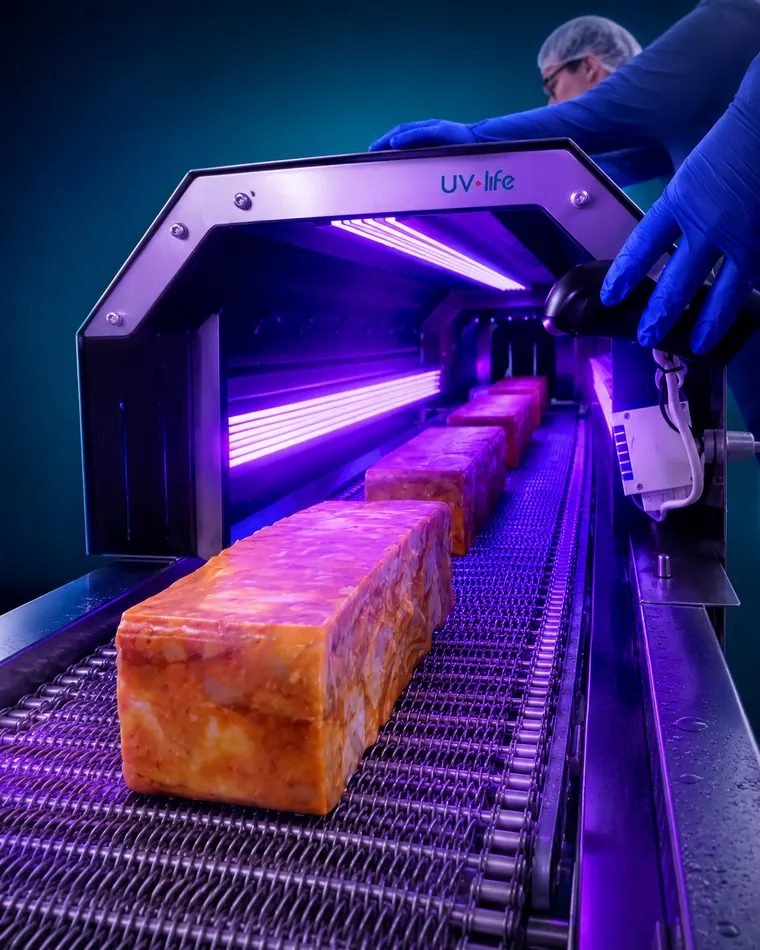
UV-Life UV-C disinfection tunnel mounted over a conveyor, sanitizing deli meats on a food production line
Kills Viruses,
Bacteria and Fungi
No chemicals, no residue
Does not alter taste or color
Produces no ozone
The science

Does UV-C light work on food surfaces?

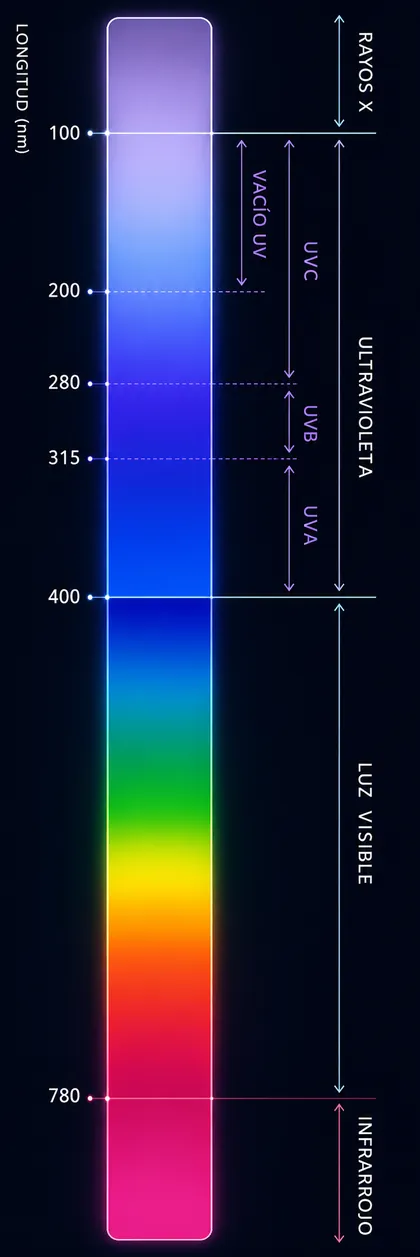
Yes, on the surface. UV-C light between 200 and 280 nm damages the DNA of bacteria, mold and viruses sitting on food, packaging and process equipment, so they can no longer reproduce. Germicidal efficacy testing under controlled laboratory conditions has measured surface reductions of up to 99%. It adds nothing to the product and changes no taste, color or aroma.

What you get on your own line depends on the UV-C dose applied, the distance and the exposure time on each matrix. UV-C acts only on the surface: it does not penetrate the inside of the product and it does not replace the cold chain or your food safety program.

1

Germicidal wavelength

Germicidal power sits between 200 and 280 nm. UV-Life works at 260–280 nm, the optimal disinfection range.

2

DNA damage in the microorganism

UV-C light breaks the DNA of bacteria, fungi and viruses, so they lose the ability to reproduce.

3

The dose sets the result

The right UV-C output, at the right distance, for the time required, defines how much load comes down. Every product needs its own validated dose.

Electromagnetic spectrum showing UV-C light between 100 and 280 nanometers in the germicidal range, next to UVB, UVA and visible light
Evidence

What testing backs UV-C disinfection in a food plant?

Five microbiological reports, each labeled by the matrix tested: food, equipment surface, process water or air. Three come from internal customer testing at plants in Chile and Argentina; two are lab reports from SGS and from Analab Chile (ISO 17025). Results are in the table, and the full report opens when you click a card.

Laboratory results with and without UV-C light
Study and matrixParameter measuredWith UV-CWithout UV-CLab / report
Coliforms on Swiss chard
Food (fresh Swiss chard)
Total coliforms 38 CFU/g 62 CFU/g Laboratorio Italiano · Mendoza, Argentina · Rie La Huerta
Coliforms on process equipment (mold carrier)
Equipment surface
Coliforms No colonies detected More than 100 CFU Fruna report · Polo 12 line
Aerobic plate count in process water
Process water
Aerobic plate count Less than 1 CFU/mL 20–35 CFU/mL Certificate of analysis · Loncoche (Quillayes/Surlat)
Viral inactivation
Air and surface
H1N1 virus inactivation More than 99.99% SGS · Test Report GZF20-014499
Microbiological profile
Dehydrated food
Molds / yeasts / pathogens Molds under 10 CFU/g Analab Chile S.A. · ISO 17025

Values come from the laboratory reports linked in the cards in this section. Results with UV-C depend on the dose applied, the distance and the exposure time on each matrix, so they cannot be extrapolated to another line without validating it there.

Side by side: with and without UV-C
Food safety and germicidal efficacy testing
Comparison

How is UV-C LED different from UV mercury lamps and chemical sanitizers?

All three lower microbial load, but not in the same way and not with the same risk inside a food line. UV-C LED carries no mercury and no glass tube that can shatter over product, leaves no residue on food and generates no ozone. A chemical sanitizer needs contact time and a rinse step; a mercury tube needs warm-up and replacement.

UV-LifeUV-C LED 260–280 nm Mercury tube
lamp
Chemical
sanitizer
Mercury in the food lineNoneContains mercuryNot applicable
Risk of broken glass over productNo, solid bodyYes, glass tubeNot applicable
Residue on the foodNoneNoneRinse required
Ozone generationNone generatedDepends on tube typeNot applicable
Effect on taste, color and aromaNo changeNo changeCan change it
Rated service life10,000 hShorter, needs replacementRecurring consumable
Time to act on the lineSeconds, no line stopSeconds, no line stopContact time and rinse
CoverageSurface, line of sightSurface, line of sightSurface, where it contacts

Comparison of technical characteristics. The mercury tube and chemical sanitizer columns describe general attributes of each technology, not specific third-party products.

How does UV-C fit into a HACCP plan and GMP program?

UV-C light works as a complementary control measure that lowers microbial load at defined points of the process, with no chemicals and without interrupting the line. It sits inside the food safety systems you already run: it supports them, it does not replace them, and it is documented like any other sanitation step.

GMPGood Manufacturing
Practices
HACCPHazard Analysis and
Critical Control Points
Trust

Some of our customers in Chile and Latin America

Coca-Cola Embonor Fruna Sopraval Varsovienne Santa Marta Futurocop Serviform Patagonia Austral Fundo El Peumo Entrelagos Don Pascual Australis Prunesco Quillayes Ariztía Cambaiso Rie La Huerta Baika Rafulco Dairy Uffing Bakery

See how UV-C light kills microorganisms

Watch in real time how UV-C technology reduces viruses, bacteria and fungi in seconds.

Watch the video →
UV-Life video thumbnail: a scientist in a laboratory validating UV-C light efficacy
In the field

Where is UV-C already running in food plants?

UV-Life installations on food, beverage and packaging lines in Chile, Argentina and Mexico. These are customer plants in Latin America, photographed on site.

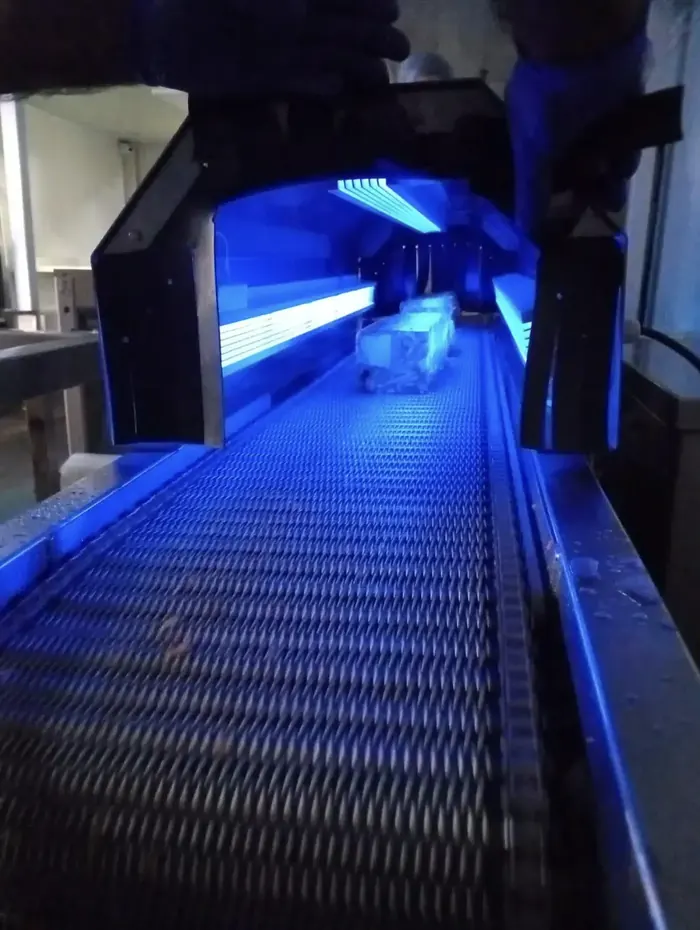
UV-C sanitizing tunnel over a deli meat line at Don Pascual, Chillan, Chile
Don PascualDeli meats · Chillan, Chile
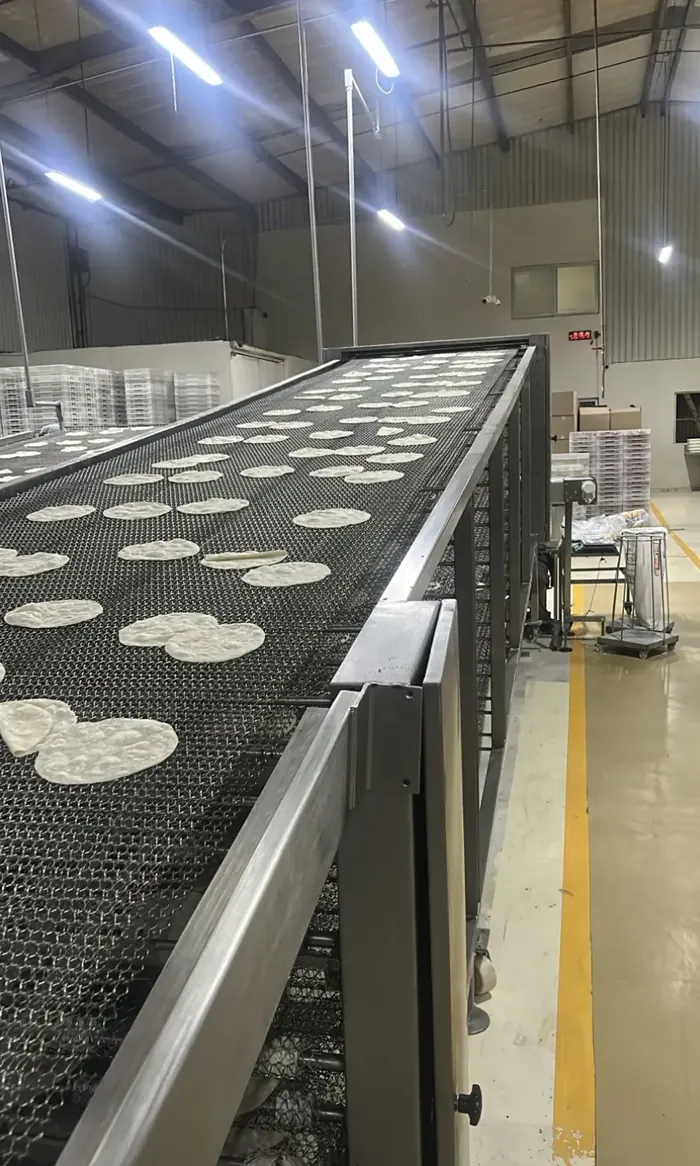
Tortilla line with UV-C sanitizing at Gustavo Romo, Jalisco, Mexico
Gustavo RomoTortillas · Jalisco, Mexico
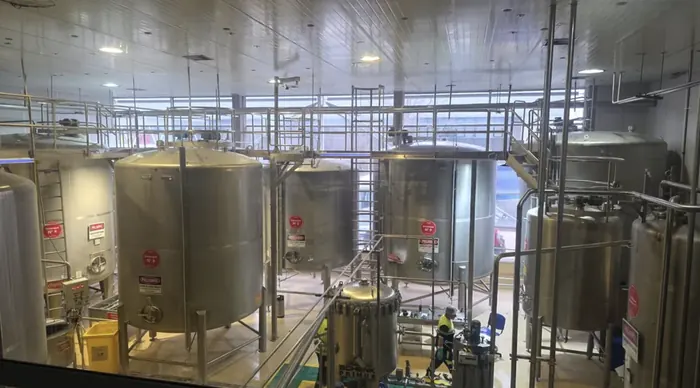
Coca-Cola syrup room with UV-C disinfection, Chile
Coca-Cola EmbonorSyrup room · Chile
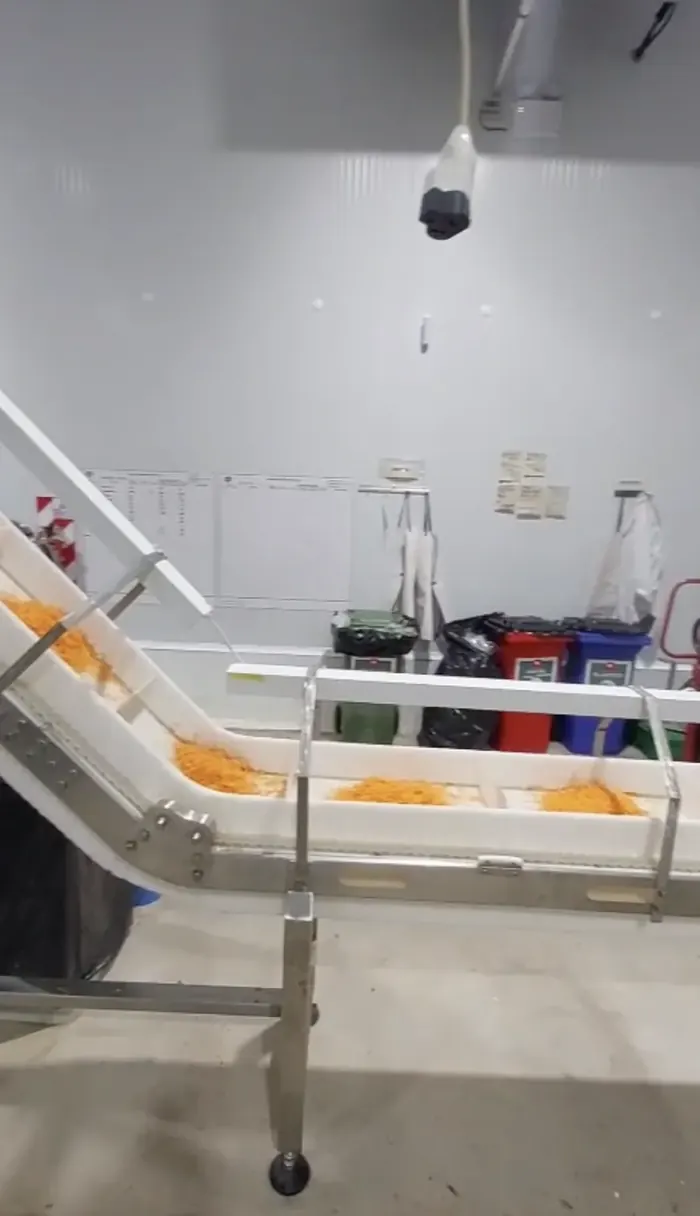
Fresh produce treated with UV-C at Rie La Huerta, Mendoza, Argentina
Rie La HuertaFresh produce · Argentina
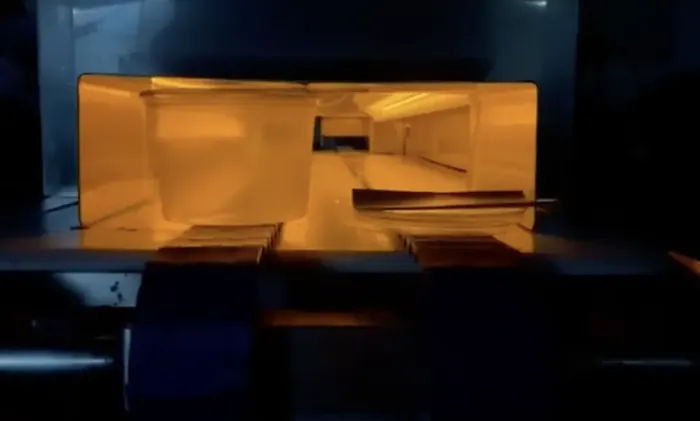
UV-C sanitizing of plastic packaging at Serviform, Chile
ServiformPackaging · Chile
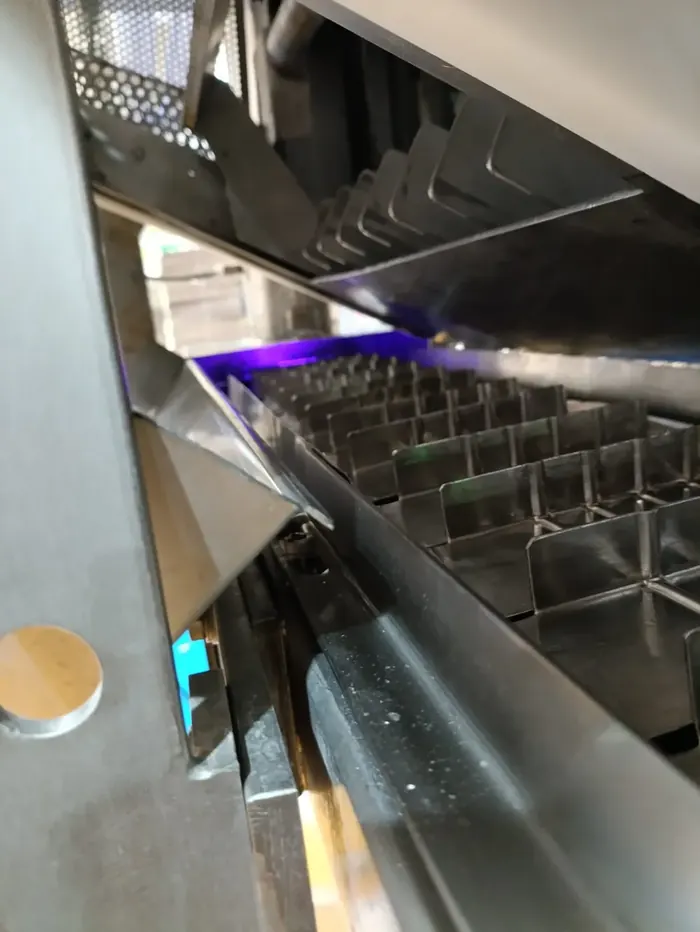
Ice cream mold carrier with a UV-C lamp at Fruna, Chile
FrunaIce cream line · Chile
Customer results

What have food plants measured with UV-C?

Each case comes from internal customer testing, with laboratory analysis run by the customer. The headlines say exactly what those reports show, nothing more.

Rie La Huerta fresh produce

Mendoza, Argentina · Fresh Swiss chard
−39%total coliforms with UV-C, keeping the chard within spec

Coliform load fell from 62 to 38 CFU/g, inside the Argentine Food Code limit. A lower starting load means more shelf-life margin downstream.

Read the case →
Don Pascual deli meats

Chillan, Chile · Deli meat tunnel
+shelf lifeon deli meats, by lowering surface bacterial load

A UV-C sanitizing tunnel installed over the deli meat line to bring down surface bacterial load and extend shelf life, with no chemicals and no stop in production.

Read the case →

Gustavo Romo tortillas

Jalisco, Mexico · Corn tortillas
+shelf lifeon the shelf, by cutting mold growth

UV-C applied over the tortilla line to delay mold and extend shelf life on the shelf, cutting product losses and returns.

Read the case →
Equipment for food plants

Which UV-C equipment fits your production line?

UV-C LED equipment for disinfecting food, packaging and process zones. Datasheets and operating manuals are in the UV-C equipment manuals section.

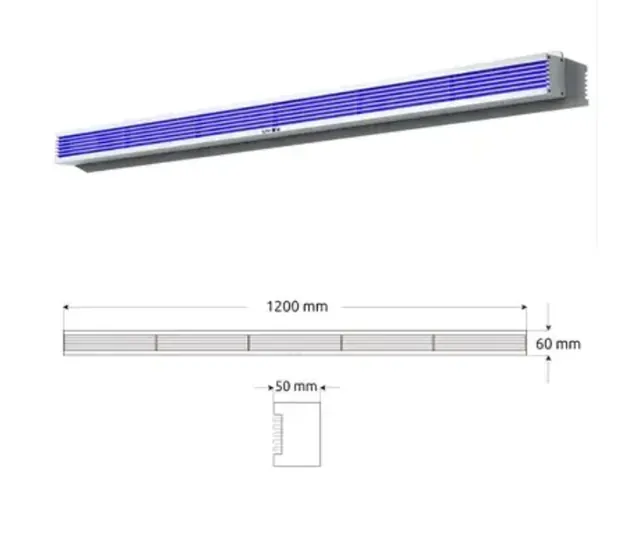
UV-Life X50 UV-C sanitizing bar, 1200 mm, product view and technical drawing

UV-C X50 Bar

High-output UV-C bar built to mount over conveyors on deli meat, sausage and other food lines. This is the unit used inside UV-Life sanitizing tunnels.

US$690 + sales tax
  • UV-C 260–280 nm · 480 mW UV output
  • Mercury-free
  • No ozone · No residue
  • Rated service life 10,000 h
  • Dimensions 1200×60×50 mm (47.2×2.4×2.0 in)
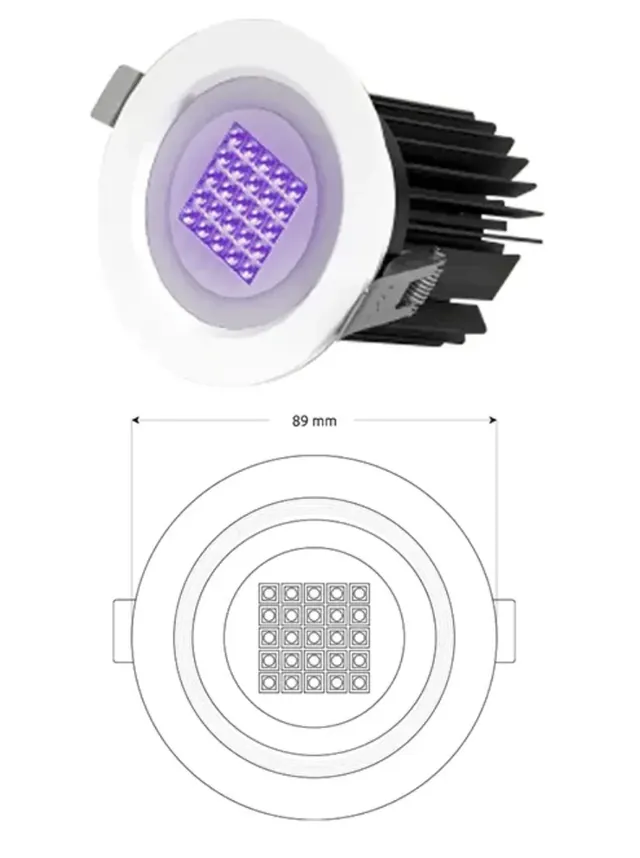
UV-Life X36 recessed UV-C light, 89 mm diameter, product view and technical drawing

X36 UV-C Led Light

Recessed UV-C light for targeted disinfection of surfaces and process zones in food plants: prep tables, packaging areas and cold rooms.

US$279 + sales tax
  • UV-C 260–285 nm · 400 mW UV output
  • Mercury-free
  • No ozone · No residue
  • Rated service life 10,000 h
  • Ø89 mm (3.5 in) diameter

Germicidal efficacy testing

SGS (viral inactivation, Test Report GZF20-014499) and Analab Chile S.A. (ISO 17025) verified microbiological performance under controlled laboratory conditions. The reports are in the studies section above and on our UV-C scientific evidence page.

Product certifications

The equipment carries the corresponding product certifications from MINSAL and the Public Health Institute (ISP) in Chile. These are product and safety certifications, separate from the microbiological efficacy testing described on the left.

UV-C in food processing: frequently asked questions

A UV-C tunnel is an enclosure mounted over the conveyor that houses the UV-C lamps and keeps the light from reaching people. Product enters at one end, crosses the irradiated zone and exits the other; disinfection happens during those seconds of travel. The tunnel adds no heat, never touches the product and leaves nothing behind: it only exposes the surface to germicidal light between 260 and 280 nm.

In most plants the conveyor you already have is enough. The X50 UV-C bar mounts over the existing line at the height the calculated dose requires, inside an enclosure that confines the light. You do not replace the conveyor or redo the room layout, and a typical installation takes 1 to 2 days without stopping production. A custom stainless tunnel is the other option, more expensive and slower, and it makes sense only when the line has no usable straight run.

Under controlled laboratory conditions, testing has measured surface microbial reductions of up to 99%, and the SGS viral inactivation test on the room sterilizer exceeded 99.99%. On a running line the result depends on dose, distance, belt speed and whether product travels in a single layer: the light only disinfects what it reaches. That is why UV-C is a load-reduction step rather than absolute sterilization, and it is validated with before-and-after analysis on your own line.

Yes, and it is one of the uses where UV-C LED outperforms the mercury tube. The tube loses output below 10 °C (50 °F) and takes minutes to stabilize; a 265 nm UV-C LED reaches full output instantly and cold does not degrade it. It mounts on the ceiling or over the racks and runs during unmanned shifts, lowering the load of fungi, spores and bacteria in the air and on the surfaces that cause mold on chilled product.

It sharply reduces fungi and their spores in the air and on surfaces, which is where most recontamination comes from. Visible mold on walls or equipment is removed mechanically first; UV-C keeps it from coming back by holding the ambient spore load down. In tortilla plants, bakeries and packaging rooms this is the most common use: dropping the spore load right before packaging to delay mold.

Both emit germicidal ultraviolet light, but the LED contains no mercury and has no glass tube that can break over product, which matters inside a food plant. UV-Life LEDs work at 260–280 nm, generate no ozone, leave no residue and are rated for 10,000 hours. The mercury tube also loses output in cold rooms and needs several minutes to stabilize.

The same way you document any other disinfection method: a written procedure, the operating parameters (wavelength, UV-C output, distance and exposure time), an operating log, and microbiological verification before and after. UV-Life supplies the equipment datasheet, the SGS test report on the UV-C chips and the measurement protocol so your team can build that file.

Yes. UV-C light reduces microbial load on the surface of food and in process areas. With a lower starting load of fungi, yeasts and bacteria, spoilage advances more slowly, which extends shelf life and reduces losses. It does not penetrate the inside of the product and it does not replace the cold chain.

No. The UV-C dose used for surface disinfection does not alter the sensory properties of the product, because it acts only on the surface, adds no heat and adds no substance.

It fits as a complementary control measure inside your Good Manufacturing Practice programs and HACCP plan. It sits at one point of the process (conveyor, process water or room air) to reduce microbial load, without replacing your food safety management system.

No. UV-C reduces living microorganisms on the surface, but it does not reverse toxins that have already formed, such as aflatoxin, and it does not penetrate below the surface. It is a load-reduction tool, not a remediation tool.

UV-C light between 200 and 280 nm damages the DNA of bacteria, fungi and viruses, so they can no longer reproduce. Germicidal efficacy testing under controlled laboratory conditions has measured reductions of up to 99%, and the SGS viral inactivation test on the room sterilizer exceeded 99.99%. The result on a running production line depends on dose, distance and exposure time.

UV-C light must never fall directly on skin or eyes. That is why the equipment is installed confined inside the tunnel or the process zone, or is run when no one is in the room. UV-Life equipment generates no ozone and leaves no chemical residue in the air.

There is no single time: the result is set by the dose, which combines UV-C output, distance and exposure time. On a conveyor the exposure happens in seconds, while product passes under the bar. Every product needs its own validated dose.

It depends on the target microorganism, the matrix (food, packaging, equipment surface, water or air), line speed and the distance between the lamp and the product. UV-Life defines the dose from those inputs and, where it applies, proposes a pilot with before-and-after laboratory analysis.

The UV-C bar mounts over the belt at the distance set by the calculated dose, inside a tunnel or enclosure that prevents direct exposure of personnel. Installation does not require permanently stopping the line or changing the product formulation.

Advantages: no chemicals, no residue, no change to taste, color or aroma, it acts in seconds and it integrates into the existing line. Limits: it acts only on the surface and does not penetrate the product, it does not reverse toxins already formed, it needs direct line of sight to the surface being treated, and it replaces neither the cold chain nor your food safety management system.

Take the next step

Let us evaluate your production line

Tell us your product and the microbiological problem you are fighting. We define the right UV-C dose for your line and, where it applies, a pilot with before-and-after laboratory analysis on your own product.

Scroll To Top