
UV-C light to reduce coliforms and improve food safety in fresh ready-to-eat vegetables
UV-C technology that reduces the coliform load as a post-wash barrier, before packing — without adding anything to the vegetable.
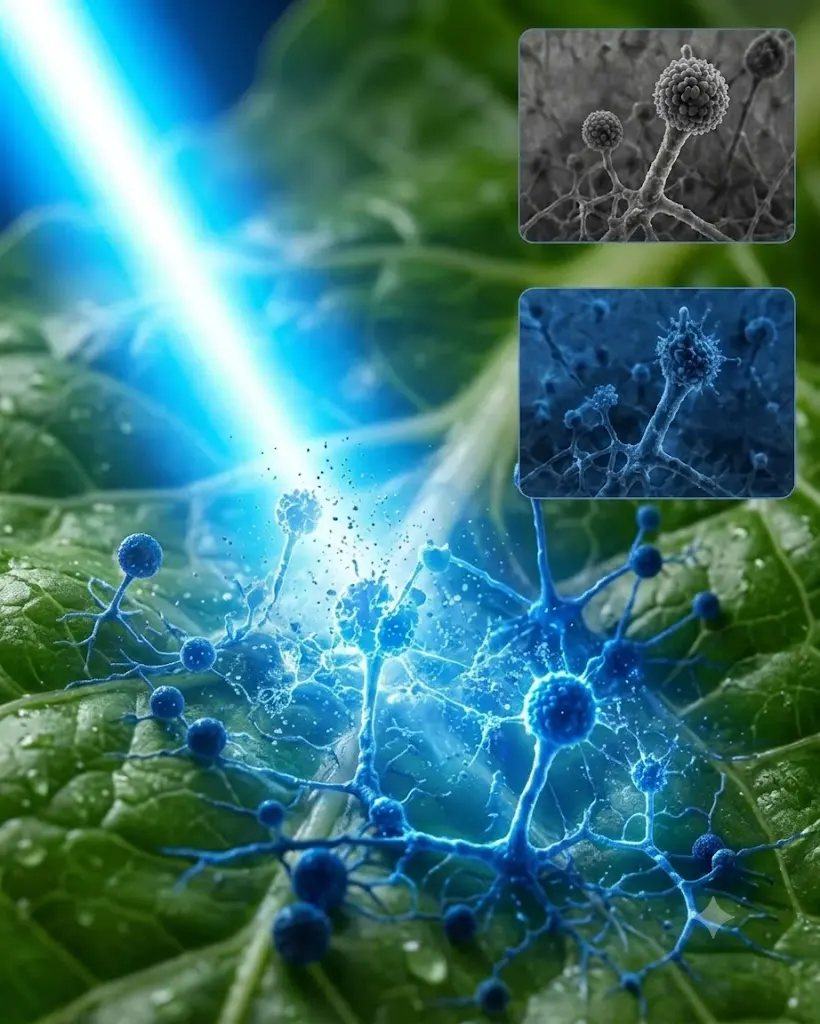
Why do coliforms appear on vegetables after washing?
It is not a lack of hygiene. It is a condition of the process: fresh produce is a perfect substrate, and recontamination happens after washing, always at the same points. It is the same in a fruit and vegetable packhouse in Maharashtra as in a fresh-cut plant supplying Bengaluru or Delhi NCR.
Fresh, moist and raw produce
High water activity and nutrients, with no cooking afterwards: the ideal environment for coliforms to multiply. It is a characteristic of the product, not a defect.
Washing cleans, the line recontaminates
Washing reduces the load, but recirculated wash water, surfaces and handling during sorting and packing deposit bacteria back onto the product.
Biofilms on belts and surfaces
Bacteria form biofilms on conveyor belts, wash tanks and equipment — colonies that resist conventional cleaning and recontaminate batch after batch.
Cold slows it down, it does not eliminate it
The cold chain slows growth, but it does not eliminate coliforms or destroy biofilms. It only postpones the symptom.
The critical point: the window between washing and packing
This is where the final microbial load is set before the vegetables reach the customer. UV-C technology acts precisely at this stage — irradiating the product surface and the lines, without touching the washing process or the cold chain.
E. coli in leafy greens
Present through faecal or cross-contamination; some strains cause gastroenteritis and serious complications. It is one of the indicators covered by the FSSAI microbiological standards for fruit and vegetable products.
Salmonella in vegetables
One of the main causes of outbreaks linked to raw ready-to-eat produce, and a pathogen covered by the FSSAI microbiological standards.
Listeria monocytogenes
Dangerous because it grows even under refrigeration, during cold storage of the packed product.
STEC
Shiga toxin-producing E. coli: severe illness and one of the most frequent causes of product recalls.
What changes when you install UV-C in your vegetable plant
The UV-C units are installed on the washing, sorting and packing lines. They reduce the coliform load on the product surface and in the process environment.
Post-wash barrier: fewer coliforms before packing
Irradiating the surface of the vegetable right after washing reduces the initial load — an additional barrier exactly where the product usually gets recontaminated.
THE DIFFERENTIATORWashing, sorting and packing lines without cross-contamination
The air and surfaces in critical areas are disinfected continuously, cutting recontamination between batches.
Reduces E. coli, Salmonella, Listeria and STEC
UV-C light acts in seconds on surface pathogens, without adding chemicals to the vegetable.
Fewer rejections, longer shelf life
A lower initial load means fewer batches held back by lab results and helps extend shelf life.
More confidence from modern retail and a wider distribution reach
Lower microbial load = longer safety window = greater reach without compromising the cold chain.
Ríe la Huerta cut coliforms in its chard by 40%
A horticultural company in Mendoza, Argentina, producing fresh vegetables and ready-to-eat processed products, grown with sustainable practices. With years of farm-to-table experience, it is a leader in innovation in its region and treats food safety as a culture, not a formality.
They wanted to safeguard food safety without relying only on washing and chemicals. They integrated UV-Life as a post-wash barrier, irradiating the product surface and the lines before packing.
"We were looking for an additional barrier to protect our customers and our brand, without adding chemicals to the product. With UV-Life's UV-C light we reduced the coliform load and strengthened our food safety before packing."
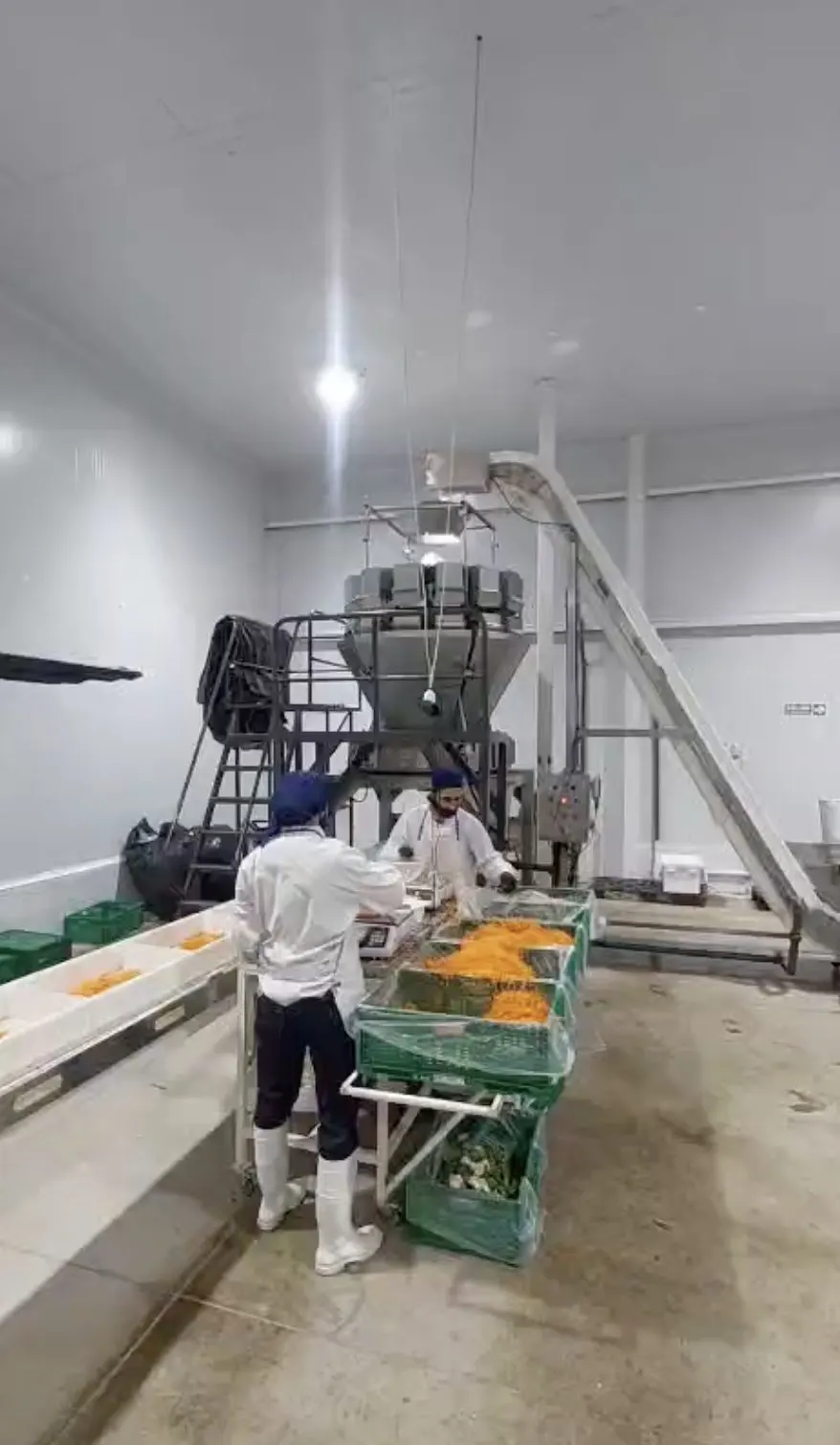
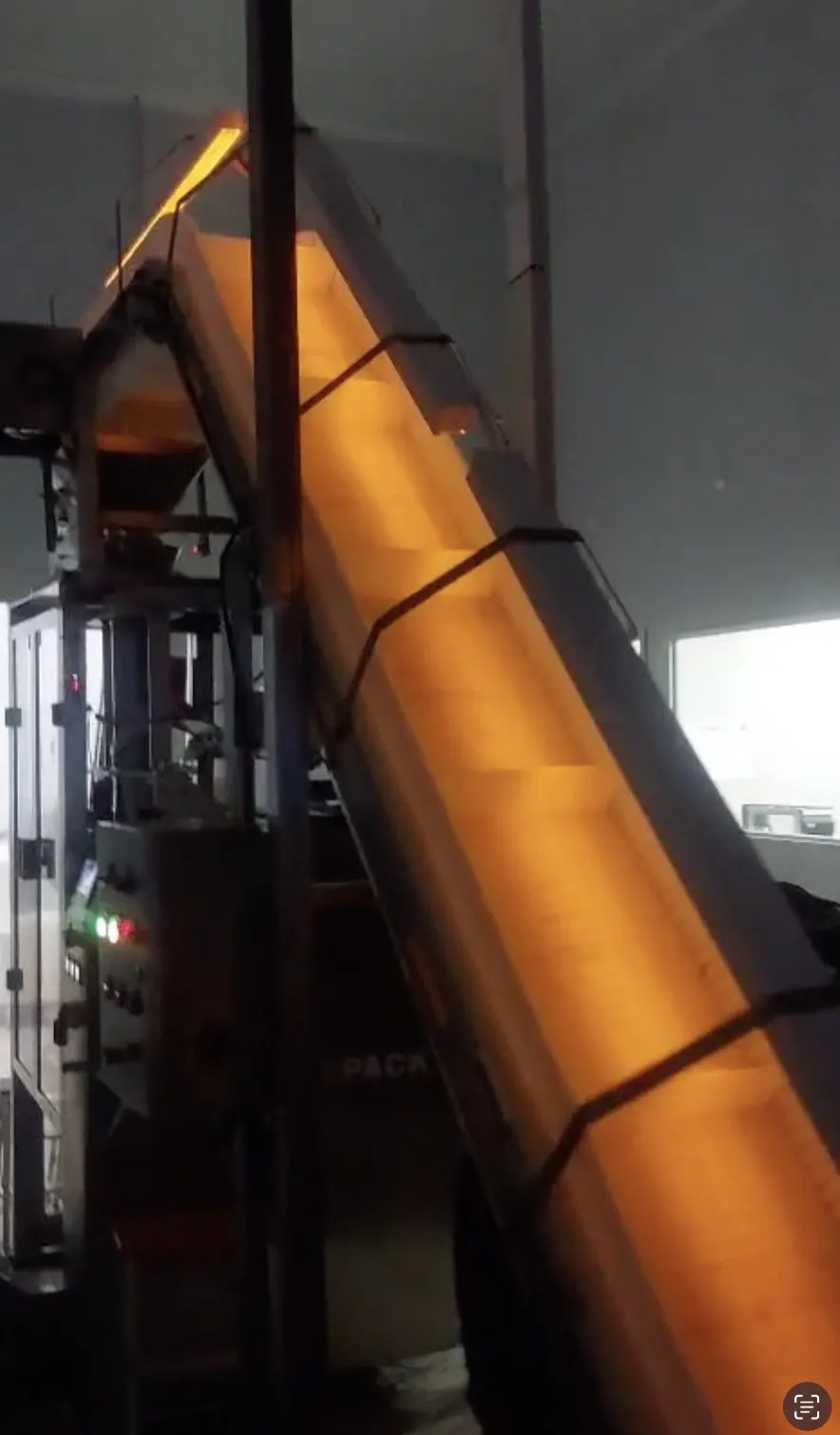
UV-C light for your production line
FCC · CE · SGS · CESMEC certified equipment. Installed over existing conveyor belts and washing and packing lines, without stopping production. We ship across India.
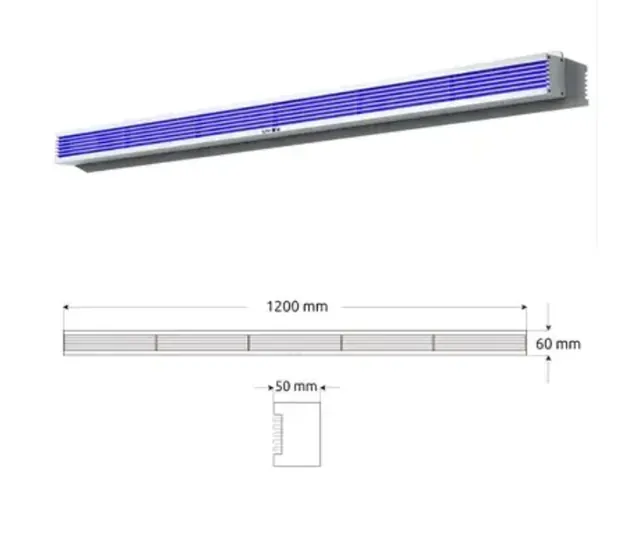
UV-C X50 bar
High-power UV-C bar for installation over conveyor belts on lines for vegetables, ready-to-eat produce and other foods.
- UV-C 260–280 nm · Power 480 mW UV
- Mercury-free
- Ozone-free · No residues
- Service life 10,000 h (~2.7 years at 10 h/day)
- FCC · CE · SGS · CESMEC certified
- Dimensions 1200 × 60 × 50 mm
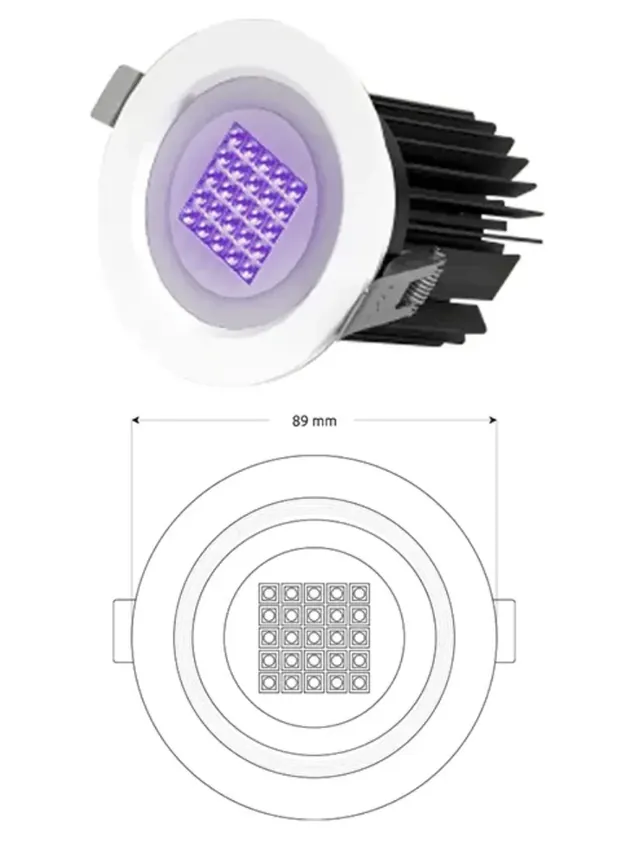
X36 UV-C LED LIGHT
Recessed UV-C light for targeted disinfection of surfaces and process areas in vegetable washing and packing rooms.
- UV-C 260–285 nm · Power 400 mW UV
- Mercury-free
- Ozone-free · No residues
- Service life 10,000 h (~2.7 years at 10 h/day)
- FCC · CE · SGS · CESMEC certified
- Diameter Ø89 mm · 25 UV-C LEDs
What plant and quality managers always ask
What roles do FSSAI, State Food Safety Departments and other authorities play in UV-C disinfection?
FSSAI sets food safety standards and regulates food businesses at national level, and licensing, registration and inspection of businesses that manufacture, process, pack, store and distribute food are carried out by FSSAI and State Food Safety Departments, depending on the type and size of the business. Primary production falls under the Ministry of Agriculture & Farmers Welfare, and fruit and vegetable exporters also work with APEDA. UV-C is not registered as a product: it is incorporated into the business's cleaning and sanitation programme as a documented control measure, with its procedure and verification records. It does not replace the HACCP system; it adds measurable evidence to it.
Do UV-C units need to be registered with FSSAI?
UV-C disinfection equipment is not a food and is not registered as a food product with FSSAI (Food Safety and Standards Authority of India). What is regulated is the food business: under the Food Safety and Standards Act, 2006, Schedule 4 of the FSS (Licensing and Registration of Food Businesses) Regulations, 2011 sets out the general hygienic and sanitary practices, including cleaning and sanitation of premises, equipment and surfaces, and food businesses are expected to apply a food safety management system based on HACCP principles, with its documents and records. Official control is carried out by FSSAI and State Food Safety Departments. UV-C fits in there as one more measure within the cleaning and sanitation programme, one of the prerequisite programmes for HACCP. Check the applicable FSSAI requirements for your category of food business.
Does UV-C light replace washing and chemical disinfection?
No. UV-C light is an additional sanitary barrier that complements washing. It acts as an extra post-wash microbial reduction step, before packing, without replacing good hygiene practices or HACCP.
How much can it reduce coliforms?
Under real plant conditions, UV-Life has documented coliform reductions of 40%, even when applying the light to stacked product (see the real case).
Does UV-C change the taste, colour or texture of vegetables?
No. UV-C light acts on the surface in seconds without adding anything or generating heat. It does not alter the properties of the vegetable: it keeps its colour, taste and freshness.
Why do coliforms appear after washing?
The product goes in clean but can come out with a higher load due to cross-contamination: contact with surfaces, conveyor belts, recirculated wash water, handling by staff and residual moisture that favours bacterial growth.
Do I have to modify my entire production line?
No. The units are installed over the conveyor belt and in the existing washing and packing areas. A typical installation takes 1–2 days without stopping production.
Which vegetables can it be applied to?
Leafy greens and ready-to-eat vegetables such as lettuce, spinach, rocket, kale, chard, cabbage, carrot and broccoli, adjusting the dose to the surface and geometry of each product.
Does your vegetable plant have coliform problems?
Tell us about your process. Free technical assessment.
Prefer email? Write to sales@uv-life.com.